“New” All-Natural BBQ Sauce & Rub Bundles from Three Little Pigs – ON SALE at BBQ Authority
Unlock championship-level flavor for your smoker, grill, competition rig or backyard cook-out. These premium bundles are now available at exceptional holiday pricing.
“New” All-Natural BBQ Sauce Bundles — crafted with no high-fructose corn syrup, clean ingredients, and the flavor heritage of competition wins. Three Little Pigs BBQ Sauce Bundle
Don’t miss your chance to get them while holiday inventory lasts — perfect for gifting pit-masters, fellow instructors (cough-you) or stocking your own flavor arsenal.
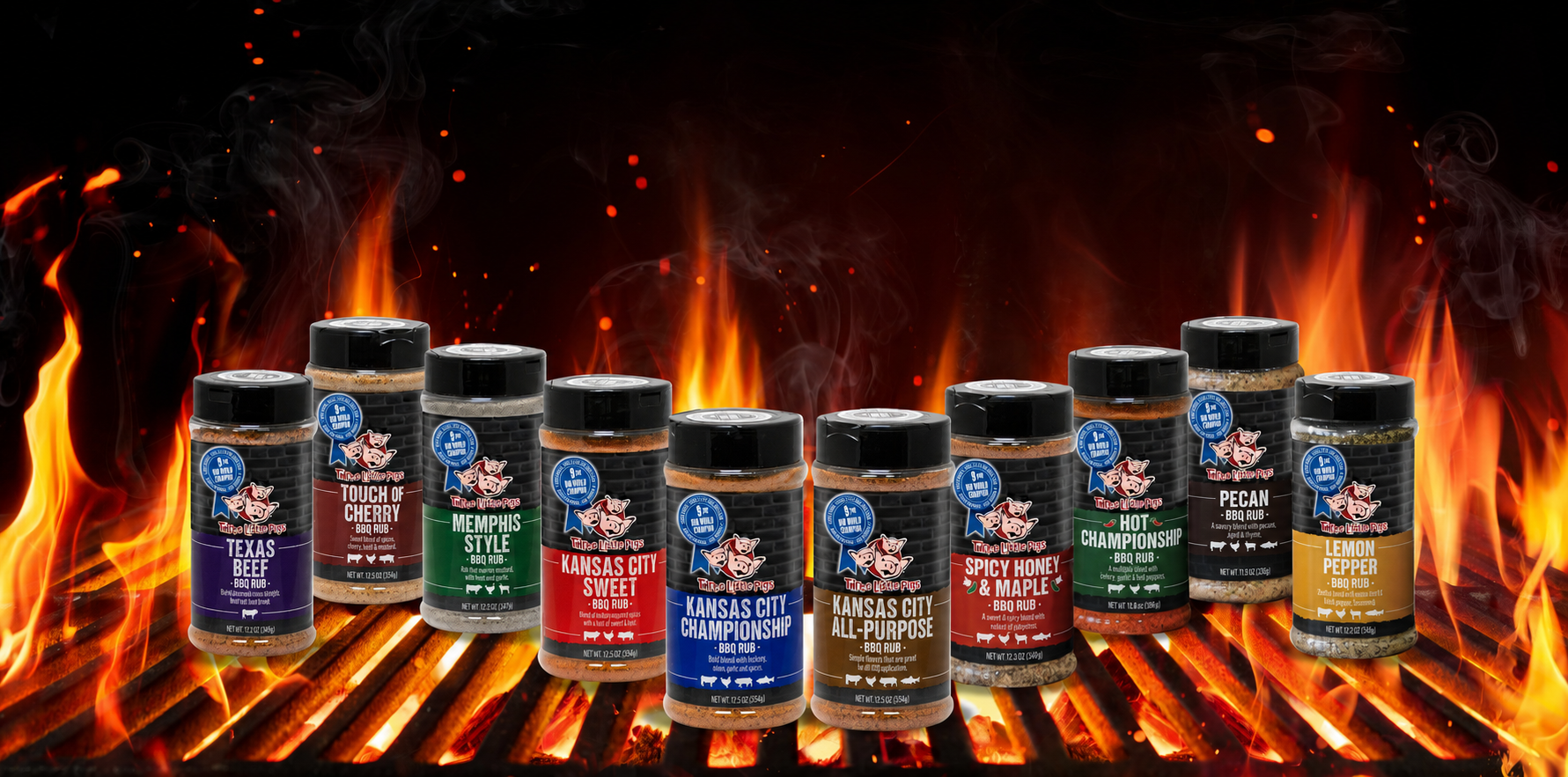
Check out the brand-new Three Little Pigs Amazon storefront! We’ve launched our full lineup of award-winning BBQ rubs and our new “Huff-n-Puff” all-natural BBQ sauces—crafted for serious BBQ enthusiasts and backyard champions alike.
Discover bold flavor, championship-level recipe heritage, and now cleaner ingredients. Pick up your favorites and elevate your next brisket, rack of ribs or backyard cook-out.
🔥 Visit our Amazon site today and bring home the taste of true competition BBQ.
A Fusion Thanksgiving Showstopper with Three Little Pigs Rubs & Sauces
This dish mixes: 🔥 Classic Thanksgiving turkey 🌮 Bold Mexican birria flavors 🥧 Comforting American pot pie 👨🍳 And that signature Three Little Pigs championship smoke
🎯 Why It Works
Uses leftover smoked turkey (or fresh off the pit).
Deep chile-forward birria consommé gives rich fall flavor.
Pot pie crust keeps it familiar for Thanksgiving traditionalists.
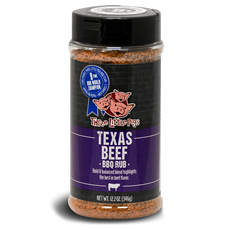
Layers beautifully with Touch of Cherry, Texas Beef, or All-Purpose rub.
📝 Ingredients
For the Birria Base
2–3 cups smoked turkey (shredded or chopped)
1 onion, diced
4 cloves garlic, minced
2 tbsp tomato paste
3 dried guajillo chiles
2 dried ancho chiles
1 chipotle in adobo + 1 tbsp adobo
2 cups turkey or chicken stock
1 tsp Mexican oregano
1 tsp cumin
1–2 tsp Three Little Pigs Touch of Cherry or Kansas City Championship
Salt to taste
Pot Pie Filling
1 cup frozen peas
1 cup frozen corn (or smoked corn!)
1 cup diced carrots
2 tbsp butter
1 tbsp flour
½ cup heavy cream
Extra stock as needed.
Dash of Three Little Pigs All-Purpose for balance
Crust
1 refrigerated pie crust (or puff pastry for drama)
1 egg for wash
🔥 How to Make It
1️⃣ Make the Birria Consommé
Remove stems & seeds from chiles.
Simmer them in hot water for 10 minutes to soften.
Blend chiles with onion, garlic, tomato paste, chipotle, and a splash of stock.
Add puree to a pot with turkey, stock, oregano, cumin, and TLP rub.
Simmer 20 minutes until deep red, rich, and thickened.
2️⃣ Build the Pot Pie Filling
In a skillet, melt butter and add flour to make a quick roux.
Add cream + a ladle of birria broth.
Stir in vegetables + turkey birria mix until creamy.
Adjust seasoning with TLP All-Purpose.
3️⃣ Assemble
Fill a pie dish with the turkey birria pot pie mixture.
Cover with crust or puff pastry.
Brush with egg wash.
Sprinkle lightly with Touch of Cherry for color.
4️⃣ Bake
Bake at 400°F for 25–30 minutes until golden, bubbling, and insane-smelling.
🌶️ Serving Options
Drizzle with birria consommé like gravy.
Add a little queso fresco + cilantro for a modern twist.
Instead of cooking on a grate, you place your meat right on top of the glowing coals. It’s raw, dramatic, and surprisingly effective when done correctly.
How it works:
Build a hardwood or lump charcoal fire — avoid briquettes; they contain binders that leave residue.
Let it burn until you have a bed of white-hot embers, not open flame.
Blow off the ash or spread the coals evenly.
Lay your meat directly on the coals — usually thick cuts like ribeyes, tomahawks, tri-tip, or even vegetables like peppers and onions.
Flip once — no poking or pressing — and finish over indirect heat if needed.
This gives you a deep crust, smoky-charred edges, and a primal flavor you can’t get from grates.
🥩 Best Cuts for Coal Grilling
Cowboy-style direct-coal cooking favors thicker, fattier cuts that can handle intense heat:
Ribeye / Tomahawk steak
Tri-tip or sirloin
Short ribs (English cut)
Pork chops or tenderloin medallions
Lamb racks
Vegetables: onions, peppers, corn (in husk), even avocados or mushrooms
Lean cuts dry out — go for marbled beef with fat to protect the meat.
🧂 Seasoning & Prep
Keep it simple — you want the fire and fat to shine.
Pat meat dry to prevent ash sticking.
Season generously with coarse salt, black pepper, and a touch of garlic.
(Three Little Pigs “All-Purpose” or “KC Sweet” rubs are perfect — the sugar caramelizes beautifully in this high heat.)
Oil lightly if you’re nervous about sticking (avocado or beef tallow works well).
Optional: Brush with a BBQ sauce glazeafter pulling off the coals — it prevents burning and adds shine.
⏱️ Timing & Technique Tips
2–3 minutes per side for 1½-inch steaks — adjust for thickness.
Use long tongs (no forks) and a fireproof glove.
After searing, rest the meat on a grate or stone off the fire for 5–10 minutes to let juices redistribute.
If you’re nervous about ash, you can rest the coals under a thin layer of foil with vent holes, but purists go straight-on.
🪵 Wood Choice Matters
Different hardwoods bring different smoke tones:
Oak: clean, classic BBQ flavor.
Hickory: strong, bacon-like smoke.
Mesquite: bold, earthy, authentic cowboy heat.
Pecan or cherry: softer, slightly sweet smoke.
Never use treated wood, resinous pine, or green logs.
🍽️ Flavor & Texture
What makes coal-grilling unique:
Charred crust + juicy center — Maillard reaction at its peak.
Micro-smoke flavor from fat dripping on embers.
Crispy fat edges and deep caramel notes from sugars in the rub.
A subtle “ash saltiness” — that minerally campfire taste that’s pure cowboy BBQ.
🏕️ Modern Cowboy Twist
Pair it with:
Cast-iron cowboy beans or jalapeño cornbread cooked in the same coals.
A drizzle of Three Little Pigs Kansas City Sweet Sauce right before slicing for that sweet-smoky finish.
Chris Marks (CBBQE) Chief BBQ Expert Three Little Pigs Rubs & Sauces
Moisture Content: Green (fresh-cut) wood holds a lot of water and plant sap. That extra moisture boils off as steam, creating white “dirty” smoke until the wood heats enough to gas off and combust properly. Kiln-dried or well-seasoned wood lights easier and burns cleaner.
Density/Hardness: Dense hardwoods produce steady coals and a longer burn, making it easier to maintain a clean fire. Softer woods can flare, smolder, and spike temps if not managed carefully.
Resins & Oils: Woods with more sap or resin (especially some softwoods) generate heavier smoke and creosote. That’s why BBQ uses hardwoods almost exclusively.
🔹 Common BBQ Woods and Their Smoke Behavior
Oak
Profile: Medium-dense, mild to medium flavor, steady burning.
Clean vs Dirty: Oak is forgiving. When seasoned, it produces very consistent, clean blue smoke. It’s often used as a base wood in commercial BBQ pits for this reason.
Hickory
Profile: Stronger, classic “BBQ” flavor.
Clean vs Dirty: Burns hot and clean if splits are dry. But if chunks are large or damp, hickory can put off thick white smoke and add a bitter edge quickly.
Pecan
Profile: A hickory cousin with a sweeter, nuttier flavor.
Clean vs Dirty: Slightly softer than hickory, so it can smolder more easily. Well-seasoned pecan produces a mild, clean smoke; green pecan can be acrid.
Mesquite
Profile: Very dense, very strong, high BTU output. Southwest signature wood.
Clean vs Dirty: Lights hot but its oils produce a sharp smoke. Easy to over-smoke if the fire isn’t roaring. Best used as a small flavoring wood mixed with oak or in very hot direct-heat cooking.
Fruitwoods (Apple, Cherry, Peach, etc.)
Profile: Mild, sweet, subtle smoke.
Clean vs Dirty: Fruitwoods are softer and often hold more moisture. They produce wonderful light smoke when dry and burning on a solid coal bed — but if you toss in large damp splits, you’ll get billowy white smoke fast.
Maple
Profile: Mild, slightly sweet smoke.
Clean vs Dirty: Burns fairly clean if seasoned. Because it’s lighter, it can flare; keep your coal base established to prevent smoldering.
Post Oak / White Oak (Texas staple)
Profile: Clean burning, mild to medium smoke.
Clean vs Dirty: Excellent for large pits; seasoned post oak is known for very clean smoke at brisket joints.
🔹 Practical Tips by Wood Type
Seasoning Time: Most hardwoods need at least 6–12 months to dry to under 20% moisture for clean smoke.
Size & Placement: Add smaller splits of fruitwood or mesquite on a hot coal bed to ignite quickly and burn off volatiles.
Mixing Woods: Use a steady, neutral base (oak) and add stronger woods (hickory, mesquite) sparingly for flavor bursts. This keeps smoke clean.
🔹 Bottom Line
Clean vs. dirty smoke isn’t about the wood’s species alone — it’s about how dry, how big, and how you burn it. Oak or hickory can taste bitter if you smolder it; mesquite or cherry can taste great if you run them hot and clean. Seasoned wood + good airflow + hot fire = that thin blue smoke everyone’s after.
Chris Marks (CBBQE) Chief BBQ Expert Three Little Pigs Rubs & Sauces
Color & Appearance: Thin, almost invisible, sometimes faintly blue smoke.
Cause: The fire is getting enough oxygen to burn wood gases and particulates completely. Volatile organic compounds are combusting instead of condensing.
Flavor Impact: Clean smoke deposits fewer heavy creosotes and bitter compounds, giving meat a smoother, more rounded smoke flavor. Bark stays bite-through, and meat develops a reddish smoke ring without tasting acrid.
🔹 What “Dirty Smoke” Really Means
Color & Appearance: Thick, white, gray, or yellow smoke.
Cause: The fire is smoldering rather than burning. This can be because of insufficient airflow, damp wood, too much unlit fuel at once, or ash buildup choking the fire. The volatile compounds don’t combust fully and condense into heavy particles.
Flavor Impact: Can leave food tasting bitter, harsh, or like “ashtray” smoke. Often darkens bark too quickly and can even leave a sticky residue on the pit lid or grates.
🔹 Practical Tips for Clean Smoke
Fuel Prep: Use seasoned or kiln-dried wood. Wet wood releases lots of steam and creosote.
Airflow: Keep vents open enough for a lively, small, hot fire. Restricting oxygen is the fastest way to create dirty smoke.
Fire Size: Add smaller splits more often instead of dumping in a big load. Large cold pieces cause smoldering until they ignite.
Pit Temperature: Keep your firebox at a steady, hot burn. Adjust temperature by fire size and fuel amount, not by starving it of air.
Look & Smell: Trust your eyes and nose. If the smoke is thin and smells sweet/woody, you’re in the clean zone. If it’s thick and acrid, adjust airflow or fuel.
🔹 Bottom Line
“Clean” smoke isn’t a myth or just BBQ jargon. It’s shorthand for a hot, efficient fire where the smoke is mostly invisible gases with minimal particulates. “Dirty” smoke signals incomplete combustion and can quickly ruin flavor. Mastering airflow, fuel, and fire size will consistently give you the cleaner smoke and better tasting BBQ.
Chris Marks (CBBQE) Chief BBQ Expert Three Little Pigs Rubs & Sauces
Thin-metal or bullet smokers (like a Weber Smokey Mountain): It evens out temperature swings and keeps temps lower.
Long low-and-slow cooks (brisket, pork butt, ribs): Added humidity helps prevent the surface from drying before the interior finishes.
When your smoker runs hot: It can act as a heat sink to keep temps in the 225–250°F range.
❌ When You Can Skip It
Well-insulated smokers (ceramic kamado, high-end pellet, insulated cabinet): They already hold heat steady and don’t need extra moisture.
When cooking hot & fast (chicken, steaks): You usually want drier heat to crisp skin or sear.
If you’re confident in vent control: Experienced pitmasters can hold a steady temp without the pan.
🔄 Alternatives
Sand or fire bricks wrapped in foil: Acts as a thermal mass without adding humidity.
Spritzing the meat occasionally: Gives surface moisture without affecting chamber humidity much.
Bottom line:
If your smoker is thin metal, tends to spike, or you’re cooking big cuts low & slow, a water pan is a smart move.
If your cooker is already rock-solid and you’re going for crispy bark or high temps, you can skip it.
A water pan in a smoker does three main things — this is why you’ll see it in so many recipes and why people keep asking about it online:
1️⃣ Helps Regulate Temperature
Water absorbs and releases heat slowly, so putting a pan of water (or sand with water) inside the smoker creates a “thermal buffer.”
It smooths out temperature spikes when you open the lid or when wind gusts hit.
This is especially important in bullet smokers or offsets that are prone to hot spots.
2️⃣ Adds Humidity to the Cooking Chamber
As the water heats, it turns into steam, which raises the humidity.
Humidity slows down evaporation from the meat’s surface, keeping it moister during long cooks.
It also helps bark form more evenly without drying out.
3️⃣ Collects Drippings & Keeps Smoker Cleaner
The pan can catch fat and juices before they hit the coals/firebox.
That prevents flare-ups and bitter smoke.
It also makes cleanup easier at the end of the cook.
Bonus Tips:
Always fill with hot water at the start — cold water can drag temps down.
Don’t overfill; leave a little headspace so it doesn’t slosh when you move it.
In very long cooks, you’ll have to refill occasionally. Some pros switch to sand or fire bricks wrapped in foil for a no-refill thermal mass, then spritz meat for moisture separately.
Chris Marks (CBBQE) Chief BBQ Expert Three Little Pigs Rubs & Sauces
Did you know that Three Little Pig’s Rubs & Sauces are now available at Bass Pro, Meijer Grocery, Ace Hardware, Scheels Sporting Good, Sportsmans Warehouse,Mills Fleet Farm, Blain's Farm Fleet, Do it Best and Home Depot and Rural King loctions
Purchase Three Little Pigs BBQ Sauces and Rubs on-line at BBQ Authority